A Design Review: First Responders in Real Embroidery Projects
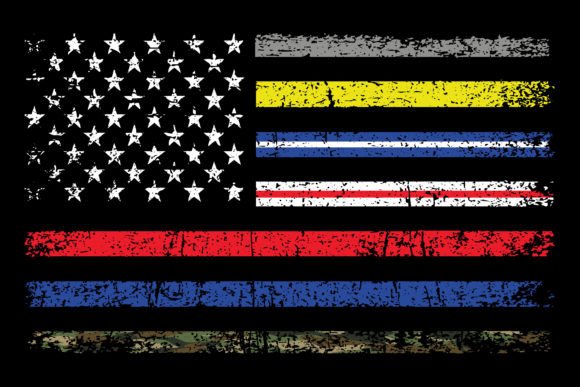
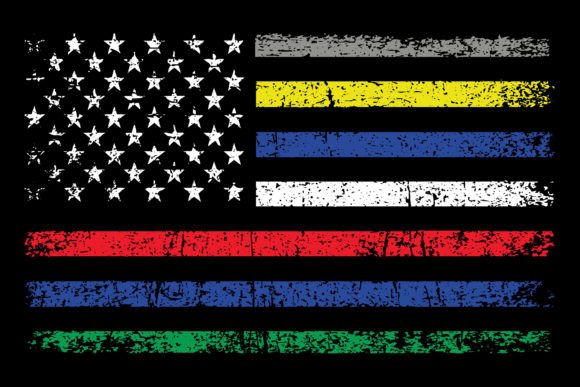
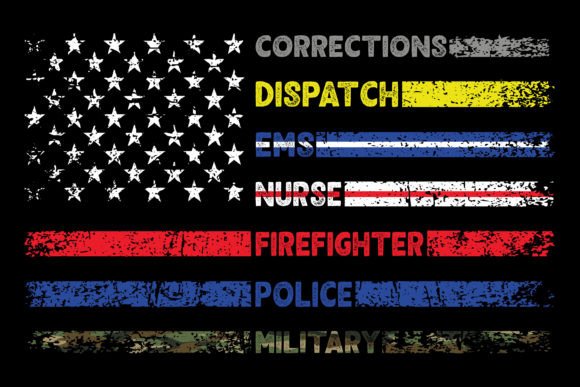
When you download an embroidery file, the real test isn’t how it looks on screen, but how it performs in the hoop. As a designer who creates and critiques embroidery for client work and my own small business, I approach every new file with a practical eye. Today, I’m evaluating First Responders, a graphic bundle that celebrates firefighters, EMS, police, military, nurses, and dispatch personnel. Let’s see if it’s a design asset worth stitching.
The First Impression: A Bold, Unified Statement
Opening the First Responders files, the immediate mood is one of respect and community. It’s not a collection of random icons; it’s a cohesive graphic set built around a central theme of service. The layout feels balanced, and the level of detail strikes a good middle ground—clear enough for recognition but not overly dense that it becomes a stitching nightmare. This visual personality is straightforward and honorable, making it feel like a design destined for projects that carry emotional weight.
I instinctively picture this on a commemorative item. Perhaps a custom tote bag for a station’s fundraising event, or a sweatshirt as a gift for a retiring nurse. It has that giftability factor baked in from the start.
Where This Design Shines: Project Fit & Customer Appeal
In practical use, First Responders is versatile. The provided formats—especially the vector files like SVG and AI—mean you can scale it for different hoop sizes without losing clarity, which is crucial for a craft business.
- Custom Apparel: On a polo shirt or sweatshirt, this design would stitch out as a dignified, professional emblem. It’s the kind of graphic that builds customer trust for a uniform or team shirt.
- Personalized Gifts: Embroidered on a premium tea towel or a cozy blanket, it becomes a heartfelt holiday or wedding gift for someone in service.
- Small Shop Merchandise: For an Etsy seller or craft fair vendor, turning this into an embroidered patch or a cap is a smart move. It taps into a niche community with strong recognition.
- Home Decor: Stitched onto a pillow cover for a living room or nursery decor for a child’s room, it creates a sense of pride and storytelling.
- Commercial Projects: For apparel decorators, this is a ready-made design asset for client requests from organizations, making it a valuable addition to your digital library.
The design’s clarity after stitching is key here. On a finished product, the clean lines and identifiable elements would look polished, elevating the perceived value of the handmade item.
Navigating the Tricky Bits: Where to Exercise Caution
No design is perfect for every scenario. With First Responders, the success of your embroidery project hinges on mindful application.
First, consider scale. If you try to stitch this entire graphic onto a very small hoop size—like for a baby clothes accent—those smaller details and any potential tiny lettering could lose definition. The stitch density needs to be appropriate; too dense on a small scale can lead to a stiff, puckered result.
Fabric choice is your next consideration. On highly textured or stretchy fabrics, the design’s integrity could be challenged. A proper stabilizer is non-negotiable here. Embroidering onto dark fabric demands careful thought about thread color contrast—a test stitch on scrap material is essential to ensure the design pops and doesn’t get lost.
Also, think about the product’s end use. For items like aprons or kitchen towels that need frequent washing, you’ll want to ensure the stitch areas are secure and not overly delicate. Applying this design on a curved surface like a cap requires testing the layout to see if any detailed corners distort.
Practical Notes from the Worktable
Before you load this machine embroidery design for a real project, here’s my standard checklist:
- Always stitch a test run on a scrap of your intended fabric. This reveals everything: thread tension, stitch density issues, and color interaction.
- Review the design in both black and white mockups. This helps visualize it on light and dark backgrounds, crucial for planning your product line or printable mockups.
- Check the specific elements. Are there any super-small decorative accents that might not translate well in satin stitch or fill stitch? Inspect the small details in your test.
- Confirm the licensing terms for this digital embroidery file. Before selling finished items or using it in commercial embroidery, you must know if your use is covered. The product description mentions multiple formats, but clarity on personal vs. commercial use is a step you need to take.
- Match the design to your brand. If you run a craft business with a certain aesthetic, does First Responders fit your brand consistency? Its strong, thematic style should align with your other offerings.
These steps aren’t just about avoiding mistakes; they’re about maximizing the design’s potential for buyer engagement and a professional final product.
The Final Stitch: A Design with Purpose
First Responders isn’t a frivolous graphic. It’s a design with a clear purpose and audience. From my perspective as someone who turns files into tangible goods, this bundle holds real value. It creates a mood of appreciation and unity, and when stitched thoughtfully onto the right product—a custom tote bag for a fundraiser, an embroidered patch for a collector, a sweatshirt for a family member—it resonates deeply.
Its performance relies on your embroidery skill and project planning. Used carefully on appropriate fabrics and scales, it will produce a clean, impactful result that enhances your handmade presentation. For a digital product seller, it’s a solid graphic asset; for a hobbyist maker, it’s a meaningful project; for a creative entrepreneur, it’s merchandise that connects with a community.
In the end, First Responders passes the practical review. It’s a design that, with a bit of testing and savvy application, will look excellent after stitching and fulfill its role as a badge of honor on your next embroidery project.