A Designer's Take on the Doctor Gift Card Holder Card
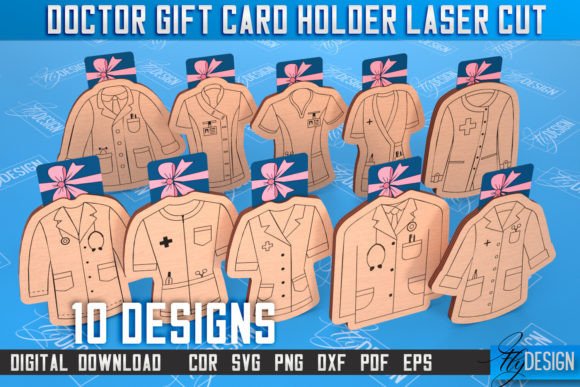
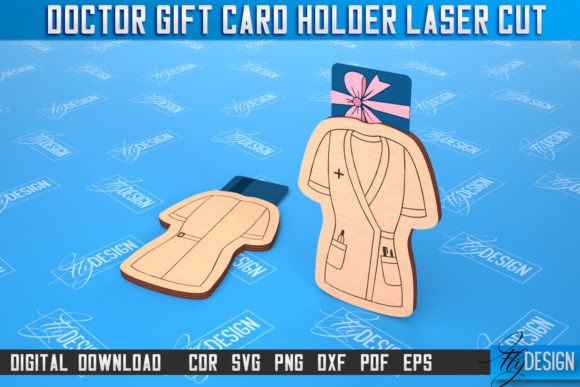
When a new embroidery file lands in my library, my first question isn’t just about its technical specs. It’s about its soul. What kind of project will it breathe life into? The Doctor Gift Card Holder Greeting Card design immediately struck me as a thoughtful, purpose-driven piece. This isn't a generic motif; it’s a specialized tool for creating meaningful gifts. The mood it evokes is one of professional appreciation and personal care. The layout, with its integrated card holder and clear medical uniform theme, suggests a design meant for a finished product that feels complete and intentional.
The Natural Home for This Embroidery Design
This design feels destined for gifts. Imagine you’re preparing a custom embroidered tote bag for a retiring nurse or a personalized pillow cover for a med school graduate. The Doctor Gift Card Holder Greeting Card file provides more than just decoration; it provides a functional, charming presentation for a gift card. That elevates a simple tote or pillow into a curated gift package. For a small business owner selling at craft fairs or on Etsy, this translates directly into a product that tells a story. A customer isn’t just buying a sweatshirt; they’re buying a beautifully presented thank-you gift for their doctor.
I envision this design shining on stable, non-stretchy fabrics where the functional pocket detail can be executed cleanly. A sturdy canvas tote bag, a denim apron, or a crisp cotton pillow cover would be perfect canvases. The design would also work beautifully as a standalone embroidered patch, which could then be attached to a blanket or a keepsake box. For baby items or nursery decor, it might be less fitting unless specifically for a pediatrician, but for general custom apparel aimed at adults—like sweatshirts or kitchen towels for a healthcare worker—it has a clear and appealing niche.
Where to Proceed with Caution
The integrated card holder and likely detailed uniform elements mean stitch density and small details are key considerations. On textured fabrics like some fleeces or looped towels, small lettering or fine lines might lose clarity. On curved surfaces like caps, the rectangular, pocket-like structure could be challenging to hoop flat and stitch without distortion. Dark fabric backgrounds will require careful thread color selection to ensure the design pops, and any finished product meant for frequent washing, like a tea towel, will need robust stitching to hold up.
The design’s success hinges on its execution. That crisp, professional look depends on clean satin stitches for borders and confident fill stitches for larger areas. Using the proper stabilizer is non-negotiable here to prevent puckering, especially around that card holder area which might have a denser stitch build-up.
Practical Impact on Your Project and Business
From a commercial perspective, this embroidery file adds tangible value. It turns a basic gift card into a handcrafted experience. For an Etsy seller specializing in personalized gifts, this boosts the perceived value and giftability of your listing. The design conveys recognition and respect, which builds customer trust in your brand's thoughtfulness. For a boutique selling small shop merchandise, it offers a cohesive, professional-looking product that feels far from mass-produced.
However, its visual appeal is tightly linked to stitching clarity. If the small details—like the medical insignia or any text—become blurry or broken due to incorrect hoop size or insufficient stabilization, the entire professional impression crumbles. It’s a design that rewards careful setup.
A Designer's Pre-Stitch Checklist
Before I’d ever run this on a client’s item, my process would be thorough.
- Test on scrap fabric first, ideally the same material you plan to use for the final project.
- Check thread color contrast against both light and dark background mockups.
- Review the stitch density in your software preview; be mindful of areas that might be too dense for delicate fabrics.
- Confirm your hoop can accommodate the entire design comfortably, ensuring small elements aren’t cramped.
- Inspect the small details in the embroidery file preview. Are there tiny corners or fine lines that might need slight adjustment for your machine?
- Use a sturdy stabilizer appropriate for your base fabric.
- Crucially, check the licensing terms provided with this digital embroidery file. Confirm it’s cleared for commercial use if you’re selling the finished products.
These steps aren’t just about troubleshooting; they’re about respecting the design’ intent. The Doctor Gift Card Holder Greeting Card is a Graphics product meant for crafted outcomes, and its success depends on the maker’s diligence.
The Final Stitch: A Design with Clear Purpose
In the world of craft business assets, some files are versatile backgrounds, and others are specific solutions. This design falls squarely into the latter. It’s a solution for creating a appreciated, functional gift. Its value isn’t in endless adaptability, but in perfect suitability for a certain scenario. For the embroidery designer making a gift for a cherished doctor, or for the creative entrepreneur adding a thoughtful product line to their shop, it offers a clear path from digital file to a finished product that feels both handmade and professionally conceived.
The key is to match its purposeful design with a purposeful application. On the right fabric, with the right preparation, it will stitch out as a charming, professional-grade piece. It asks the maker to be attentive, but it rewards that attention with a product that genuinely completes a gift-giving moment. That’s the practical beauty of a well-conceived embroidery design.