A Real Designer's Take on the Nurse Retro SVG for Embroidery
When you're in the business of making things by hand, a design file isn't just a graphic—it's a potential project, a product, and sometimes, a problem waiting to happen. So when I look at something like the Nurse SVG Retro SVG, my first thought isn't about downloading it. It's about stitching it. How will it translate from screen to thread? What will it feel like on fabric? And most importantly, where does it truly belong?
First Impression: Vintage Charm with Modern Potential
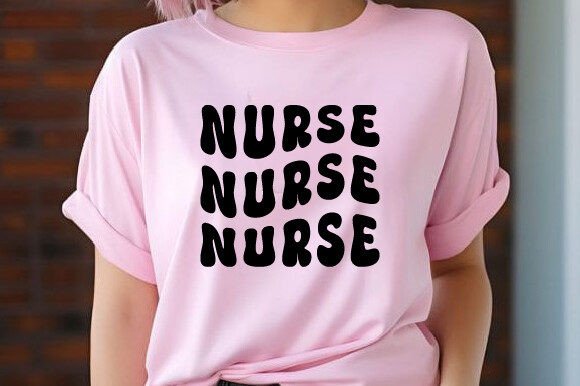
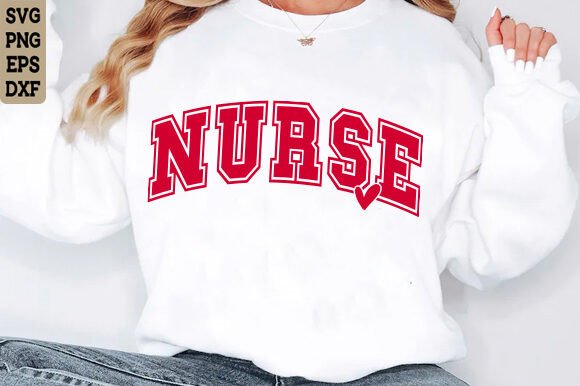
The retro aesthetic here is clear, and it creates an immediate mood of warmth and recognition. It's not a stern, clinical nurse; it's the friendly, capable figure from classic imagery. The shape and layout feel balanced, with a level of detail that suggests it could translate well into machine embroidery. The visual personality is nostalgic yet approachable, which is a powerful combo for custom apparel and personalized gifts. I immediately pictured it not just on a t-shirt, but on a cozy, well-worn sweatshirt embroidery project for a healthcare worker, or as a standout feature on a sturdy canvas tote bag design.
Where This Design Excites Me: The Natural Fit Projects
This isn't a design I'd use everywhere, but for certain projects, it feels like a perfect match. The theme lends itself beautifully to appreciation gifts. Imagine a custom embroidered patch on a new nurse's backpack, or the design centered on a soft baby embroidery blanket for a newborn in a nursing family. It has that giftability factor.
For a small shop product or Etsy listing, this SVG could be the core of a lovely collection. A simple pillow cover for a home office, a classic apron for a nurse who loves to bake—these applications make sense. The retro style adds product value; it feels more thoughtful than a generic modern logo. In a craft business, that thoughtful touch builds customer trust and enhances your handmade presentation.
Thinking Through a Real Project: The Embroidered Tote
Let’s walk through a real scenario. I’m considering this for a custom tote bag order from a client who wants a gift for her sister, a nurse. My mind goes straight to execution. The design’s likely outlines and fills would need good stitch density to look solid on thick canvas. I’d plan for bold thread colors to make that vintage vibe pop against a natural fabric bag. The clarity of the main elements is crucial here—will small details like the nurse’s cap or subtle curves in the lettering remain clear after stitching? That’s where my practical judgment starts.
The Careful Considerations: Where to Proceed with Caution
Not every fabric or product is a friend to this design. On textured fabrics like some sweaters, fine details could get lost. On thin fabric or stretchy fabric, the stitch density needed for a solid look might cause puckering without the right stabilizer. Dark fabric backgrounds demand a very thoughtful thread palette for contrast.
I'd be wary of putting it on a curved surface like a cap without a lot of pre-testing; complex layouts can distort. And for items that need frequent washing, like baby clothes or kitchen towels, I’d consider simplifying the design or using very durable threads to maintain that visual appeal. The tiny lettering often present in retro designs is a particular point of inspection—it can turn into a blurry mess if the embroidery file isn't optimized or the hoop size is too small.
How This Design Impacts Your Work and Your Business
Using a design like this well affects more than just the stitch. It influences how customers perceive your work. A clean, recognizable finished product made from this SVG reinforces your professionalism. It shows you understand theme and audience. For a creative entrepreneur, it can become a consistent element in a brand consistency strategy for a shop focused on healthcare appreciation or vintage styles.
For digital product sellers, offering this as part of a curated bundle for commercial embroidery projects adds depth to your catalog. But the key is in the execution. The design’s stitching clarity on the final item is what drives buyer engagement and repeat business. A poorly executed one, even from a great file, hurts that trust.
My Essential Designer Notes Before You Hit 'Start'
Always, always test the design on scrap fabric first. Use the same material and weight as your final project. Check thread color contrast against both light and dark backgrounds—sometimes a design needs slight color adjustments for different applications. Review stitch density in your software preview; a very dense fill might require adjustments for lighter fabrics.
Confirm hoop size requirements. Can you stitch this in a smaller hoop for a baby item, or does it need a larger field? Inspect small details by running a test stitch; see if corners are too sharp or lines too fine for your machine’s capabilities. Use proper stabilizer—this is non-negotiable for professional results.
Finally, because this is described as a cutting file for graphics, and the product category is T-Shirt Designs, I need to be clear: before any commercial project or selling of finished items, you must confirm licensing. The description mentions use on various items, but as a responsible maker, verifying the license for digital embroidery file conversion and commercial sale is your due diligence. Don't assume.
The Final Stitch: A Design with Heart and Purpose
The Nurse SVG Retro SVG strikes me as a design with a specific, heartfelt purpose. It’s not a generic graphic. Its value comes from its nostalgic theme and its potential to become a meaningful personalized gift or a standout small business merchandise item. In the right hands—with careful testing, proper materials, and an understanding of its strengths and limits—it can translate from a simple digital embroidery file into a truly beautiful embroidery project that resonates with people. That’s the kind of asset that makes the work of a designer and maker worthwhile.