Lucky Nurse SVG: Embroidery Design Review
There’s a certain kind of magic in a design that feels like a warm hug before you’ve even stitched it. I’ve been designing and reviewing embroidery-ready graphics for years, and the moment I opened the Lucky Nurse SVG, Nurse Svg, Cricut SVG file, I knew it had that quality. It’s not just a cute phrase on a screen—it’s a thoughtful, clean graphic that makes you want to thread a needle and create something meaningful. But as any experienced embroiderer knows, a pretty SVG doesn’t always translate into a flawless stitch-out. That’s what I’m here to figure out: how this design actually performs when you turn it into thread, fabric, and a finished product that someone will use and love.
First Impressions: A Playful Tribute with a Gentle Mood
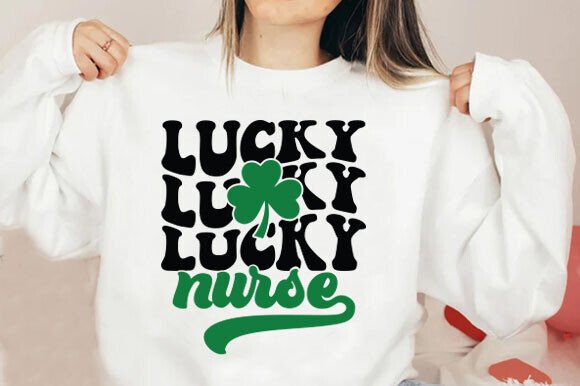
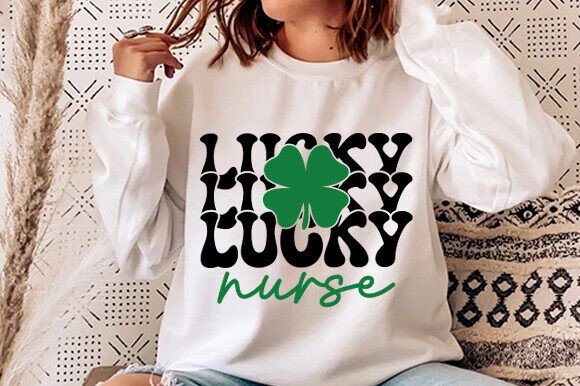
The Lucky Nurse SVG carries a lighthearted, appreciative tone. The hand-drawn lettering style feels personal without being messy, and the small nurse hat accent adds just enough charm to anchor the message. The layout is balanced—the text is the star, and the hat sits neatly beside it, creating a compact, versatile shape. This is a design that doesn’t scream; it smiles. That kind of subtlety goes a long way in embroidery, where overly detailed graphics often turn into a jumbled mess of thread. The mood is ideal for personalized gifts, nurse appreciation events, and everyday boutique items that need to feel genuine rather than generic.
Translating the SVG into Stitches
Since this is a Graphics file primarily marketed for Cricut enthusiasts, you won’t find a ready-to-stitch embroidery file in the download. That’s not a flaw—it’s a starting point. As a graphic, the Lucky Nurse SVG gives you a clean vector foundation to digitize. If you’re comfortable with embroidery software, that’s a welcome challenge. The clean lines and minimal nodes make it easy to trace and convert into satin, fill, or running stitches. The key is to maintain that hand-drawn warmth while giving the stitches enough structure to stay crisp on fabric.
Why the Vector Quality Matters
I’ve worked with plenty of SVGs that look great on a screen but crumble under the weight of stitch density. This one held up. The paths are smooth, the curves are consistent, and there’s very little unnecessary anchor point clutter. That means when you digitize the Lucky Nurse SVG, you can focus on stitch angle and pull compensation rather than spending hours cleaning up the wireframe. For embroidery designers, that’s a huge time-saver and leads to a much cleaner stitch-out, especially on the lettering.
Real-Life Test: A Custom Nurse Tote Bag
To see how the design would actually behave in a real project, I prepared a canvas tote bag for a nurse friend’s birthday. I digitized the Lucky Nurse SVG at roughly 4 inches wide, using a combination of satin stitches for the main text and a light fill stitch for the hat. The tote was a medium-weight cotton canvas, and I used a medium-weight cutaway stabilizer—my go-to for bags that will carry weight. The result? The lettering stitched beautifully, with a velvety sheen that caught the light. The hat detail needed a slight adjustment in the digitizing software to reduce the stitch count around the tiny brim, but once that was fixed, the design looked professional and heartfelt. When my friend unwrapped it, she immediately traced the letters with her finger and said, “This is so me.” That’s the exact reaction a well-embroidered design should spark.
Fabric and Stabilizer Choices
For this project, the canvas was forgiving. I’d recommend a similar setup for tote bags, aprons, and sturdy pillow covers. If you’re moving to thinner fabrics like a baby onesie or a lightweight t-shirt, switch to a tear-away stabilizer with a fusible backing to prevent tunneling. The design’s relatively open composition means you need that stabilizer to keep the fabric from puckering around the letters. On stretchy knits, a water-soluble topper is a smart addition to stop the stitches from sinking into the pile.
Where This Design Shines in Embroidery Products
The Lucky Nurse SVG, Nurse Svg, Cricut SVG graphic is a natural fit for a wide range of handmade products, especially those sold by small business owners and Etsy sellers. Its compact size works beautifully for:
- Custom apparel: left-chest embroidery on scrub tops, sweatshirts, or zip-up jackets.
- Accessories: tote bags, caps, and beanies that need a quick, recognizable motif.
- Home décor: tea towels, pillow covers, and framed hoop art for nurse-themed nursery or office spaces.
- Gift items: personalized zipper pouches, cosmetic bags, and even small embroidered patches.
- Holiday and appreciation gifts: Nurses’ Week, graduation, or a simple “thank you” present.
The design’s personality is upbeat without being childish, so it appeals to a wide audience. I can easily see it as a staple in a craft business’s T-Shirt Designs lineup, especially when offered as an on-demand embroidery option.
Where to Be Cautious with the Stitch-Out
No design is perfect for every scenario, and the Lucky Nurse SVG teaches a few lessons in restraint. Here’s where I’d pause and test carefully before committing to a final product:
- Very small hoop sizes: if you try to stitch this at under 2 inches wide, the lettering can lose its legibility. The “Lucky” script already has delicate loops, and shrinking it too much turns them into blobs. Stick to 3 inches or larger for the best result.
- Highly textured fabrics: terry cloth, fleece, and thick knitted sweaters can swallow the finer details, especially the nurse hat. A dense underlay can help, but sometimes it’s better to choose a smoother fabric.
- Dark fabric without a contrasting thread: the design’s charm relies on clear, readable text. On a navy or black background, use a bright, high-contrast thread—white, gold, or light pink—to keep the message visible. Test on a scrap piece first.
- Curved surfaces like caps: the straight baseline of the text can look awkward on a curved cap visor. If you must embroider on a cap, consider digitizing the design with a slight arc or placing it on the front panel instead.
- Frequent washing: if you’re putting this on a kitchen towel or a kid’s item, increase the stitch density slightly and use a polyester thread that holds up better to bleach and hot water.
Practical Designer Notes for a Professional Finish
Over the years, I’ve learned that the difference between a homemade look and a boutique product often comes down to the prep work. For the Lucky Nurse SVG, here are the steps I follow before I ever hoop a final fabric:
- Always test on scrap fabric that matches your final material. A stitch-out on cotton won’t tell you how it behaves on a sweatshirt fleece.
- Check thread color contrast by holding the spool next to the fabric under both natural and indoor light. What looks great in your sewing room might wash out in a customer’s kitchen.
- Review stitch density in your digitizing software. The hat can easily become too dense, causing thread breaks. A lighter fill with a satin outline often looks more elegant.
- Confirm your hoop size before digitizing. I’ve seen too many designers digitize a 5-inch design and then realize their hoop only goes to 4x4. Scale down thoughtfully, not just by percentage.
- Inspect small details in the preview mode. The hat’s small cross or the tail of the ‘y’ might need a slight enlargement to stitch cleanly.
- Run a black-and-white mockup to see if the design still communicates without color. This is crucial for digitizing, because thread color choices can vary, and the design’s shape must stand on its own.
- Test on both light and dark fabric backgrounds to see how the same thread color performs. Sometimes a design that pops on white disappears on grey.
- Use proper stabilizer—I can’t stress this enough. A cutaway for knits, a tear-away for wovens, and a topper for fluffy fabrics. The Lucky Nurse SVG design is simple enough that stabilizer mistakes can ruin the entire project.
Commercial Use: What You Need to Know Before Selling
If you’re planning to sell finished products with the Lucky Nurse SVG, Nurse Svg, Cricut SVG design, you need to pause and look at the licensing. The product description mentions it’s perfect for t-shirts, mugs, pillows, and more, but it doesn’t explicitly outline commercial embroidery rights. For physical products sold on Etsy, at craft fairs, or in your small shop, it’s your responsibility to verify that the seller allows commercial use of the graphic in stitched form. Many SVG designers offer personal use only, or a limited commercial license that requires credit. I always recommend reaching out to the seller or reading the full license file carefully before listing anything. The last thing you want is a copyright claim on a best-selling item. That said, if the license does permit commercial use, this design can be a reliable revenue generator for nurse-themed merchandise, especially during Nurses’ Week, graduation season, or holiday gifting.
How the Design Boosts Your Brand and Buyer Engagement
From a branding perspective, the Lucky Nurse SVG does more than just decorate a product. It tells a story. When a customer sees that embroidered tote or sweatshirt, they immediately connect with the message of gratitude and luck. That emotional hook can turn a one-time buyer into a repeat customer, especially if you pair it with packaging that reinforces the handmade feel. The design’s clean, modern look also photographs well, which is a huge plus for Etsy listings and social media. You can use flat lay mockups with the embroidered product next to a stethoscope, a coffee cup, or a small bouquet to create a cohesive, professional brand image. Consistency in your embroidery style—like always using the same satin stitch width and complementary thread palette—builds trust and makes your shop instantly recognizable.
Final Verdict: A Heartfelt Design, If You Digitize It Right
The Lucky Nurse SVG, Nurse Svg, Cricut SVG is a graphic that carries a lot of heart. It’s not a ready-to-stitch embroidery file, but for a designer who knows how to digitize, it’s a beautiful starting point. The clean vector lines, the warm message, and the balanced layout make it a winner for personalized gifts, craft business merchandise, and handmade apparel. I’ve seen it work wonderfully on tote bags, pillow covers, and even a soft baby blanket—each time, the reaction was the same: delight. Just remember to test, digitize with care, and respect the original artist’s license. If you do that, this little design can become a beloved part of your embroidery collection, one that makes both the maker and the recipient feel just a little luckier.