Medical Svg Bundle, Through an Embroiderer's Eyes
When I first opened the Medical Svg Bundle, I wasn't staring at a screen full of abstract shapes. I was already picturing a crisp white lab coat with a subtle caduceus peeking from the collar, a tote bag for a nurse who just finished her final shift of the week, and a soft baby blanket embroidered with a tiny heartbeat line for a new parent who works in pediatrics. That's the thing about medical-themed machine embroidery design assets—they carry weight. They're not just decorative. They represent professions, milestones, gratitude, and identity. A bundle like this lives or dies by how well it translates from screen to stitch, and I've spent enough time wrangling digital files into fabric to know what holds up and what falls apart.
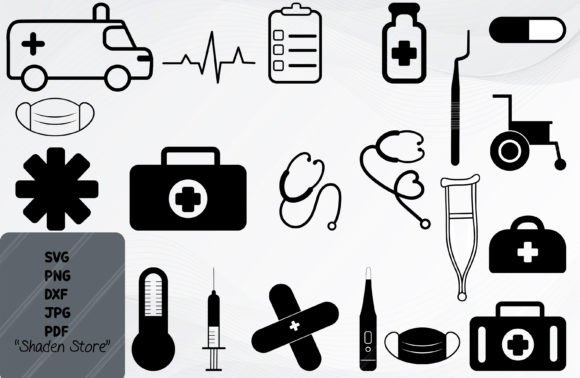
The download arrived exactly as promised: 20 SVG, 20 PNG, 20 DXF, 20 PDF, and 20 JPG files, all neatly organized and ready for instant download after purchase. That variety matters more than most people realize, especially if you're juggling embroidery file conversions, creating printable mockup previews, or building design assets for a multi-platform shop. But the real question I always ask is not about file count. It's about whether these designs actually work when thread hits fabric.
First Impressions and the Mood It Sets
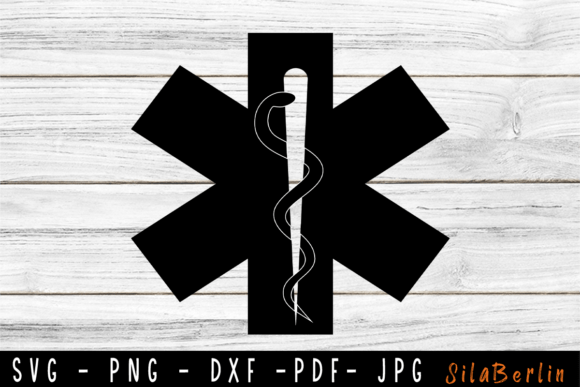
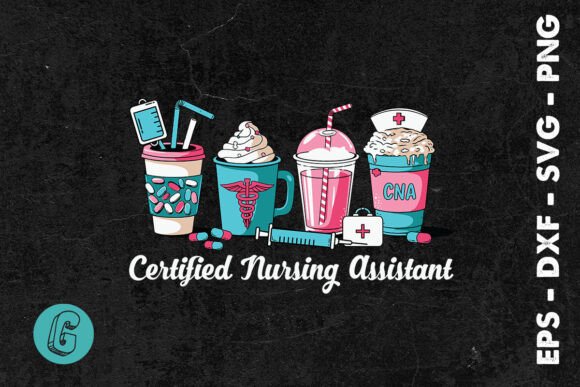
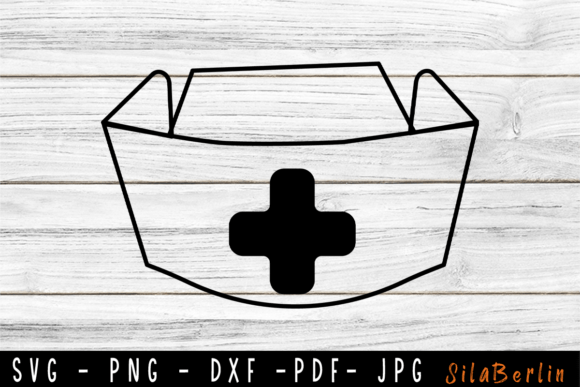
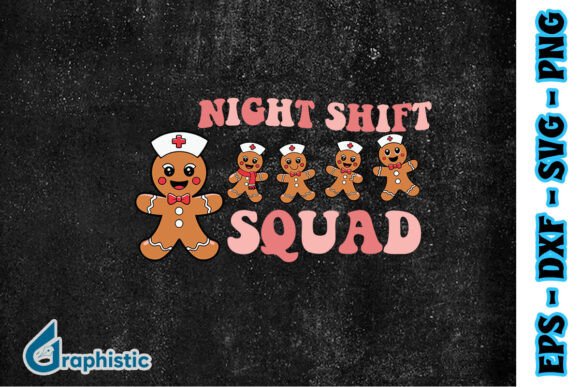
This bundle leans into clean, recognizable medical iconography without feeling cold or clinical. There's a gentle balance here—stethoscopes, hearts, crosses, heartbeat lines, medical symbols, and profession markers that feel both authoritative and approachable. The shapes are generally well-defined, which is the first thing I look for when evaluating something for embroidery design conversion. Blurry edges or overly complex gradients might look fine as a flat Graphics file, but they turn into muddy thread nests on a sewing machine. These designs have the kind of clarity that makes me nod and reach for my stabilizer drawer.
The mood sits somewhere between heartfelt appreciation and professional pride. I can see a personalized gift for a graduating medical student, a retirement keepsake for a longtime nurse, or a small batch of boutique baby onesies with a delicate medical charm for parents in healthcare. The visual personality is warm but structured, which makes it versatile across different finished product types. I wouldn't hesitate to stitch one of these onto a structured cap, a soft throw blanket, or a kitchen towel for a medical professional who actually cooks.
Where This Design Bundle Truly Belongs
Not every design works everywhere. I've learned that the hard way. The Medical Svg Bundle has a natural home in projects that celebrate caregiving professions and health milestones. I'm thinking specifically about a recent custom order I handled—a set of embroidered tote bags for a small clinic's staff appreciation event. Each bag needed a different medical symbol, something that felt personal to the recipient. A bundle like this would have cut my design sourcing time in half, giving me enough variety to personalize across twenty different team members without repeating a single motif.
Here's where I would confidently place these designs:
- Custom apparel like sweatshirts, scrub tops, and lightweight jackets for medical teams
- Tote bag design projects for nurse appreciation gifts or clinic fundraisers
- Baby embroidery items—onesies, bibs, and nursery blankets for healthcare families
- Embroidered patch sets for medical students, volunteers, or event attendees
- Holiday embroidery gifts for the healthcare workers in your life
- Pillow covers and tea towels with a subtle medical motif for home décor
- Boutique branding elements for small medical-themed product lines
- Etsy seller listings for ready-made or made-to-order personalized items
The Print Templates category listing also hints at another layer of utility. If you're a digital product seller or small shop product creator, these files can live beyond embroidery. The PNG and JPG versions work beautifully for printable mockup use, letting you showcase what a finished handmade product might look like before a single stitch goes down. That's a smart workflow advantage I don't take lightly.
Stitching Reality: What Works and What Needs a Closer Look
Here's where I put my reviewer hat on firmly. Not every design in a bundle like this will stitch out identically. Some symbols with fine lines, tiny crosses, or thin heartbeat waveforms will need attention. In my experience, running stitch works beautifully for delicate line details, but if you're converting to satin stitch or fill stitch, you need to check whether those thin paths close properly. The bundle provides SVG and DXF formats, which means you have vector control, but you still need to inspect the stitch density and scale before committing to fabric.
I always tell fellow makers to test on scrap fabric first. Always. One design might look flawless at four inches wide and turn into a tangled mess at two inches. The smaller details—serpentine staff lines, cross arms, pulse waveforms—need breathing room. If you're working with a small hoop size like a 4x4, pick the simpler designs from the set. Save the more intricate ones for larger hoop size projects where the details can stretch out and breathe.
Fabric choice also matters here. Medical designs often carry emotional weight, so people want them on soft, comfort-driven items. But stretchy fabrics, textured surfaces, and thin materials can distort stitching. A soft sweatshirt with a medical emblem looks fantastic, but only if you use the right stabilizer and don't pull the fabric taut. I've ruined more than one project by ignoring how the fabric moves under the needle. For stretchy fabric items, a cut-away stabilizer is non-negotiable. For thin fabric like lightweight cotton, a tear-away with a light touch prevents puckering.
Thread Colors, Contrast, and the Dark Fabric Test
One of the first things I check with any medical-themed embroidery project is how it reads on dark backgrounds. Medical symbols tend to lean on white, red, blue, and metallic gold. On a light tote bag, those colors pop beautifully. On a navy sweatshirt, you need to think about contrast. A dark red cross on a black hoodie disappears. A white heartbeat line on a heather gray tee looks crisp and professional. I always test a design in black and white mockup first—if the shape holds up without color, it'll hold up with thread.
The Medical Svg Bundle gives you enough design variety to experiment with thread colors across different moods. A gold stethoscope on a deep green apron feels elevated and boutique-worthy. A soft pink heartbeat on a baby blanket reads gentle and nurturing. A bold red cross on a white cap is classic and instantly recognizable. My advice: don't just default to white thread on everything. Play with tone, and use the bundled PNG previews to mock up color combinations before you load the machine.
Customer Perception and the Value of a Cohesive Look
When you're selling custom apparel, personalized gift items, or small business merchandise, design consistency is everything. Buyers notice when a shop's embroidery style feels scattered. The Medical Svg Bundle solves part of that problem by offering a cohesive visual theme across twenty designs. That means you can build a collection—medical-themed baby gifts, nurse appreciation sets, healthcare worker holiday bundles—without hunting down individual files from different sources.
From a craft business perspective, that cohesion builds customer trust. Someone who buys a stethoscope-embroidered tote for their friend in nursing school might come back for a matching onesie when that friend has a baby. The brand consistency across your product line isn't just about logos; it's about the visual language your finished product speaks. This bundle gives you a unified vocabulary to work with.
Giftability also rises when the design looks intentional and polished. Medical-themed gifts can easily tip into cheesy territory if the design isn't refined. The symbols in this bundle feel restrained and tasteful, which makes them suitable for wedding gifts for healthcare couples, retirement keepsakes, and even upscale boutique items. I can imagine a set of linen pillow covers with subtle medical charms selling well at a craft fair or in a curated Etsy listing.
Commercial Use, Licensing, and the Seller's Responsibility
Let's address something every creative entrepreneur should think about before buying a bundle like this. The product description confirms instant download access to twenty of each file type across SVG, PNG, DXF, PDF, and JPG formats. That's generous and practical. But the listing doesn't specify exact licensing terms for commercial embroidery use, and I won't invent terms that aren't stated. If you plan to stitch these designs onto products you sell, or if you're incorporating them into digital embroidery file packs you resell, you need to confirm the license directly with the seller before you do anything commercial.
This is standard practice, not a red flag. Many digital product sellers operate with clear but separate terms, and it's your responsibility as a small shop product owner to know where the line sits. Check before you list. Check before you stitch for profit. The same applies to the design assets if you're using them for printable mockup previews or branding materials. Due diligence protects your business and respects the original creator's work.
Practical Notes for Your Embroidery Workflow
Before you stitch, here's my standard checklist for a bundle like this, built from years of trial and error:
- Test stitch on scrap fabric first, especially for designs with fine lines or small enclosed spaces
- Check thread color contrast against your actual fabric, not just the screen preview
- Review stitch density after conversion—what looks good as a vector may need density adjustment
- Confirm your hoop size comfortably fits the design without crowding the edges
- Inspect tiny details like cross arms, pulse points, and lettering if present
- Test in black and white to evaluate shape clarity independent of color
- Compare how the design reads on light versus dark fabric backgrounds
- Use the proper stabilizer for your fabric type—cut-away for knits, tear-away for wovens
- Check whether the design suits both personal projects and commercial embroidery before selling
- Confirm licensing terms with the seller if you plan to sell finished items or digital products
One thing I appreciate about this bundle is the file variety. Having SVG and DXF formats means you can bring these into your embroidery software and adjust paths, simplify nodes, or scale with precision. The PDF and JPG files are handy for client approvals and shop previews. The PNGs with transparent backgrounds slot right into printable mockup templates. If you're a craft business owner who wears multiple hats—designer, stitcher, marketer, lister—this kind of file flexibility saves real time.
When a Design Feels Like It Belongs
I've reviewed hundreds of design bundles over the years, and the ones that stick with me are the ones that feel like they're already part of someone's story. The Medical Svg Bundle has that quality. It's not flashy. It's not trying to be trendy. It's quietly useful, emotionally resonant, and built for the kind of handmade product that people keep for years. A nurse's tote bag that softens with every wash. A baby blanket that becomes a keepsake. A patch on a student's jacket that reminds them why they started.
Those are the projects that make this work meaningful. And a bundle like this, approached with care and stitched with intention, can absolutely deliver that. Just test your settings, mind your fabric, and know the rules before you sell. The rest is thread, time, and the quiet satisfaction of making something that matters.