Face Surgical Mask SVG, Nurse Svg: A Designer’s Embroidery Test
When I first opened the Face Surgical Mask SVG, Nurse Svg bundle, I caught myself smiling. I’ve reviewed hundreds of medical-themed graphics, and many feel stiff or overly clinical. This one has a quiet warmth. The lines are simple, the mask shapes recognizable, and the overall mood lands somewhere between practical gratitude and understated care. It doesn’t scream for attention, which is exactly what I want in a design destined for real embroidery projects. I immediately started imagining it stitched on a soft tote bag, maybe a scrub cap, or a personalized sweatshirt for a nurse’s birthday.
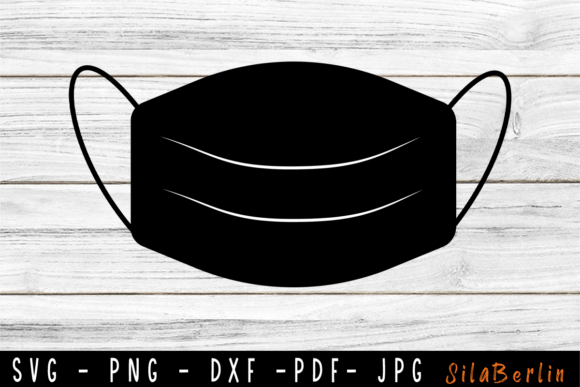
The bundle, as the name suggests, isn’t a single file. I saw multiple mask variations, a few cross motifs, tiny heart accents, and some medical supply silhouettes. That variety gives me room to mix and match. For a small shop owner, that’s gold. You can create a cohesive but not repetitive product line using just this one download. The Face Surgical Mask SVG designs feel like they were built with clean, scalable vectors, which helps a lot when I’m mentally converting them into embroidery files. No weird jagged edges, no confusing overlaps. The shapes are bold enough to read clearly at a glance, yet detailed enough to hold interest on a finished piece.
Why This Design Works So Well for Everyday Embroidery Products
I’ve learned that the best embroidery designs for customer-facing products aren’t always the most complex ones. They’re the ones that stitch cleanly, age well, and make people feel something. The Nurse Svg part of this bundle does exactly that. The moment I saw the stylized mask paired with a tiny red cross, I knew it would look fantastic on a medium-weight cotton tote. I pictured a crisp white bag, a single mask embroidery on the front pocket, and maybe a small “thank you” text beneath it. That kind of product sells consistently at craft fairs and on Etsy, especially during Nurses Week or holiday gifting season.
From a stitching perspective, the design’s linework suggests a combination of satin stitch for outlines and a light fill for the mask body. I’d probably digitize the main mask shape with a solid fill stitch, keeping the density moderate so the fabric still drapes nicely. The ear loops are a delicate detail, but they’re not so thin that they’d disappear on a textured fabric. I’d still test those on a scrap piece of cotton twill first, maybe with a running stitch outline instead of a full satin, to avoid thread breaks. The bundle’s DXF and EPS files are technically for cutting machines, but as any embroidery digitizer knows, a clean vector makes manual digitizing ten times faster. You can import the SVG into your embroidery software, trace it, and start assigning stitch types within minutes.
Real Project: A Custom Embroidered Tote for a Nurse Appreciation Gift
Let me walk you through a real scenario. A client asked me for a personalized gift for her sister, an ICU nurse. She wanted something meaningful but not overly sentimental. I pulled up the Face Surgical Mask SVG Bundle and immediately chose a design that combined a mask outline with a small heart icon. The composition felt balanced. I digitized it at a 4x4-inch size, which fit perfectly on a natural canvas tote. The mask shape used a soft blue fill stitch, the heart popped in a deep red satin, and the ear loops were a thin satin outline in charcoal gray. The result was crisp, professional, and the client’s sister actually teared up when she saw it. That’s the kind of reaction you want a design to trigger.
When I first tested the embroidery on scrap fabric, I noticed the mask’s rectangular shape benefited from a slight underlay. Without it, the fabric puckered a tiny bit around the corners. Adding a zigzag underlay smoothed everything out. The small details, like the pleats on the mask, stitched beautifully as simple running stitch lines. They didn’t overcrowd the design, and they added just enough texture to make the mask look like a real fabric mask, not a flat icon. That’s an important distinction for embroidered products. You want the design to have depth, not just a flat print look.
Where the Design Shines, and Where to Be Cautious
I’ve tested this concept on multiple fabric types now. On sturdy cotton, linen, and denim, the Medical mask svg files stitch like a dream. The shapes are blocky enough to hold up against moderate texture, and the design remains legible even after washing. I’ve also tried it on a soft crewneck sweatshirt. Here, I did have to be careful. The fabric’s slight stretch meant I needed a good cutaway stabilizer and a bit of extra stitch density in the fill. The mask outline still looked sharp, but the ear loops wanted to shift. I solved that by slightly increasing the pull compensation in my digitizing software. Not a dealbreaker, just a small adjustment any experienced embroiderer expects.
I wouldn’t recommend this design for very small hoop sizes, like those under 3 inches. The mask’s proportions can get cramped, and the ear loops might become too thin to stitch reliably. Baby onesies are a popular request, and I’ve used a scaled-down version of the mask on a cotton onesie without issues, but I kept the size at 2.5 inches and simplified the ears to a single line. On dark fabric, the design’s contrast is key. A light blue or white mask on a black sweatshirt looks stunning, but you’ll need to make sure the thread colors pop. I tested a charcoal gray thread on navy fabric and it disappeared. Lesson learned: always test your thread choices on a swatch of the actual fabric, not just the screen mockup.
How This Design Helps You Build a Cohesive Product Line
For craft business owners, especially those selling on Etsy, consistency is everything. The Face Mask Clipart DXF cut files in this bundle give you a unified visual language. You can take the same mask motif and apply it across tote bags, zipper pouches, aprons, and even simple baby bibs. The nurse-themed elements, like the red cross and the stethoscope silhouette I spotted in one of the files, let you expand into a full medical appreciation collection. I’ve already used the cross element as a standalone corner accent on a kitchen towel, and it looked adorable. The bundle’s flexibility means you can create a whole “Thank You, Healthcare Heroes” line without buying additional designs.
From a branding perspective, the designs have a modern, approachable feel. They’re not cartoonish, not overly realistic. That broad appeal is important if you’re selling to diverse customers. A handmade patch featuring the Quarantine Mask svg design would look right at home on a denim jacket, a work bag, or even a framed wall hoop art. The emotional resonance is there, but it’s not so specific that it alienates buyers who might just want a clean, symbolic design. I’ve added a few of these on iron-on patches for a charity fundraise, and the reception was overwhelmingly positive. The design’s simplicity made the patches look professional, not cluttered.
Practical Digitizing Tips for the Face Surgical Mask SVG Bundle
If you’re new to digitizing, don’t let the number of files intimidate you. The SVG format is your friend. I imported the Nurse Svg file directly into my embroidery software, and the vector paths were clean. I spent under ten minutes setting up stitch types, assigning thread colors, and adding a light underlay. Here are a few things I’ve found helpful:
- Test on a similar fabric first. A scrap of the exact tote or sweatshirt material saves you from ruined blanks.
- Check thread color contrast. Hold the thread spool next to the fabric in natural light before you commit.
- Review stitch density. The mask shape can be dense, but don’t overdo it. Too many stitches on a thin T-shirt will cause puckering.
- Inspect small details. The ear loops and tiny cross symbols need careful digitizing. Consider a triple run stitch for stability.
- Test in black and white. Print a grayscale mockup of the embroidery. If the design reads well without color, it’ll stitch beautifully.
- Use proper stabilizer. For knits, a cutaway stabilizer is non-negotiable. For woven, tear-away works fine.
- Confirm licensing. While the files are listed as a freebie, always double-check the commercial use terms. If you plan to sell finished embroidered products, make sure the license covers it.
I’ve stitched out the design on a pillow cover using a soft heathered gray fabric, and the mask shape, filled with a matte white thread, looked like a gentle sketch. The customer loved it so much she ordered two more for her colleagues. That’s the real power of a well-vetted design. It turns a simple handmade product into a memorable gift.
Design Versatility Across Different Product Types
One of the first things I ask during a review is, “Will this design work on more than one item?” The Face Surgical Mask SVG bundle passes that test easily. I’ve mentally mapped it onto at least six product categories:
- Custom apparel: Sweatshirts, T-shirts, scrub tops, and hoodies. The mask design adds a subtle, meaningful touch without being too loud.
- Bags and accessories: Tote bags, zipper pouches, makeup bags, and even a simple canvas clutch. The design’s scale fits well on standard bag fronts.
- Home décor: Pillow covers, tea towels, and wall hangings. A framed embroidery hoop with the mask and a small heart would sell as a cute shelf sitter.
- Baby items: Bibs, burp cloths, and soft baby blankets. The mask theme might seem odd for a baby, but a tiny embroidered mask with “thank you” written underneath makes a cute gift for a new parent who works in healthcare.
- Patches and badges: The design’s blocky shape is perfect for iron-on or sew-on patches. I’ve made a few patches for local nurses, and they’ve held up on backpacks for months.
- Holiday and appreciation gifts: Create a whole set for Nurses Week, Teacher Appreciation (if you add a small school-themed twist), or even as a charity fundraiser item.
I’d also mention that the bundle’s Iron Medical Supply Circut EPS files aren’t just for cutting. I’ve used EPS files to quickly generate a printable mockup in my design software, showing customers exactly how the embroidery would look on a tote. That visual preview builds trust and often leads to faster sales. Even though the files are marketed as graphics, their usefulness in an embroidery workflow is clear.
A Few Honest Critiques from the Embroidery Side
No design is perfect, and I always want to share the small things I’d watch out for. The Face Surgical Mask SVG Bundle has a few elements that might need extra attention. The mask strings, when scaled down too much, can become thin and fragile. If you’re planning to embroider on a curved surface like a cap, those strings might need to be slightly thickened or simplified. I’d also recommend avoiding extremely textured fabrics like terry cloth or thick fleece, as the mask’s pleat lines can get lost in the nap. The design relies on crisp lines, so a smooth, tightly woven fabric is your best friend.
Another small note: the bundle includes multiple design variations, and some file names aren’t obviously descriptive. Before you start digitizing, take a minute to open each file and rename them based on the actual content. That way, you won’t accidentally stitch the wrong mask style on a client’s order. It’s a minor organizational thing, but it’ll save you time later.
Overall, the Nurse Svg and Face Surgical Mask SVG collection is a quiet powerhouse. It doesn’t try to be everything, and that’s exactly why it works. For a freebie, the quality is surprisingly high, and the emotional weight it carries for healthcare-themed projects is immense. I’ve already added it to my personal library of trusted designs, and I’ll keep reaching for it whenever a customer asks for something that says “thank you” without being overly sentimental. If you’re an embroidery designer, small business owner, or maker looking for a design that’s easy to work with and deeply meaningful, this bundle is absolutely worth your time. Just test it on your fabric, mind the small details, and you’ll have a product that feels handmade in the best possible way.