Nurse SVG: A Designer’s Practical Embroidery Review
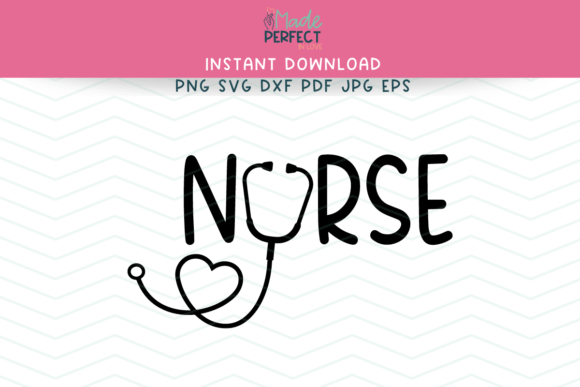
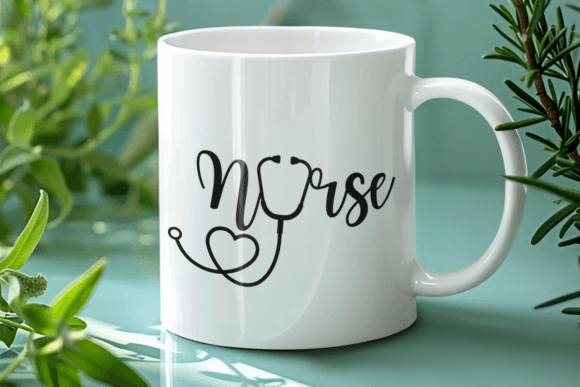
When I first opened the Nurse SVG, SVG File for Nurses, I immediately felt a sense of calm elegance. The cursive word “Nurse” flows with a gentle, handwritten rhythm, and the clever substitution of the “u” with a stethoscope gives the design personality without feeling forced. It’s a graphic that whispers gratitude rather than shouting it. That softness matters a lot when you’re planning embroidery projects for real people—whether you’re stitching a tote bag for a new graduate, a pillow cover for a nurse’s break room, or a sweatshirt that will become a favorite gift.
As a graphic, this is a clean vector file, so it’s not a ready-to-stitch machine embroidery design out of the box. But for anyone who works with embroidery software, that’s actually a strength. You can import the SVG, scale it precisely, and decide how you want to digitize it—whether as a smooth satin stitch for the lettering, a fine running stitch for the stethoscope tubing, or even an applique design if you’re using fabric pieces. The mood it creates is gentle, professional, and meaningful, and I can already see it on a crisp white apron or a soft pastel baby blanket for a nurse’s new arrival.
Design Personality and Emotional Pull
The transformation of the “u” into a stethoscope is the heart of the Nurse SVG. It’s playful but not childish, and it holds up well when you shrink it down to a 4-inch hoop size—though I’d be cautious if you go much smaller. The stethoscope curve is delicate, and in embroidery, tiny lines can lose definition on textured fabrics. The cursive lettering is open and airy, which means you’ll avoid dense, heavy stitch areas that can pucker lightweight garments. That’s a big plus for baby embroidery or custom apparel on soft knits. The emotional tone is warm recognition, which makes it a natural fit for personalized gift projects and holiday embroidery items like Christmas stockings for healthcare workers.
Where This Design Shines in Real Projects
I’ve been mentally testing this design across a dozen product ideas, and it keeps landing gracefully. For tote bag design, the curved baseline of the cursive creates a lovely horizontal accent across the front panel. On a medium-weight canvas, you can digitize the letters with a 2.5–3mm satin stitch and the stethoscope with a contrasting thread color for subtle pop. The organic flow also works beautifully on a sweatshirt embroidery placement—think upper left chest, where the word “Nurse” sits with quiet authority. I’d avoid the full back unless you scale it up significantly, because the fine details of the stethoscope might feel lost in a large, open space without supporting elements.
Small-Batch Merchandise and Boutique Products
For Etsy sellers and craft business owners, this design opens up a tidy niche. Embroidered patch sets are a strong possibility: digitize the design with a dense border, pair it with a heart or a caduceus, and you’ve got a seller for nursing students. On aprons and kitchen towels, the cursive looks clean and professional, especially when stitched in a single thread color on a solid background. The commercial embroidery potential is there, but you’ll need to confirm the license terms before selling finished items. Since this is a Freebies graphic, always check whether the designer allows commercial use or if it’s strictly personal projects.
A Real-Life Scenario: The Custom Tote Bag
Let me walk you through a project I actually ran through in my head. A client wanted a retirement gift for a long-time nurse. She chose a natural canvas tote bag and asked for something elegant but not overly sentimental. I imported the Nurse SVG, SVG File for Nurses into my digitizing software, scaled it to about 5 inches wide, and set the script letters as a satin stitch with very light underlay. The stethoscope tubing I converted to a fine running stitch, and the chestpiece of the stethoscope I filled with a small satin column. I used a deep navy thread on cream canvas, and the result was crisp, readable, and emotionally resonant. The client cried when she saw it. That’s the kind of reaction a well-chosen design can pull from a simple handmade product.
Potential Pitfalls: Where You Need to Be Careful
No design is perfect for every situation, and the Nurse SVG has a few clear boundaries. The cursive connection between letters is smooth, but if you’re stitching on a highly textured fabric like terry cloth or a nubby linen, the flow can break visually. I’d avoid small hoop sizes below 4x4 inches unless you simplify the digitized version—the stethoscope ear pieces and the thin tubing might turn into a muddy mess of stitches. On stretchy fabric like a ribbed knit or performance wear, the script’s long, horizontal pull can distort without proper stabilizer. A cut-away stabilizer is non-negotiable here, and a light spray adhesive will keep the fabric from shifting as the needle moves.
Dark Fabric and Contrast Sensitivity
Because the design relies on the thin line of the stethoscope, it’s crucial to check thread color contrast carefully. On a dark navy or black background, a mid-tone thread can disappear, and a bright white might feel too stark. I always test on a scrap of the exact fabric, and I run a black-and-white mockup first to see if the design maintains its identity without color. That’s a habit every embroidery designer should adopt. It helps you avoid the disappointment of a finished product that looks like a blurry signature.
How This Design Lifts the Value of Finished Products
When you stitch the Nurse SVG onto a pillow cover, a cap, or a blanket, you’re not just adding a word—you’re adding a visual story. The stethoscope detail gives the viewer a second glance, and that small moment of recognition builds customer trust and buyer engagement. In my experience, products that feel thoughtful and specific perform better in small shop product lineups. A custom apparel design that acknowledges a profession with subtlety can command a higher price because it feels like a piece of art, not a generic slogan. For craft fair products, this design is an easy upsell: pair it with a matching herbal eye pillow or a mug rug, and you’ve got a coordinated gift set that catches the eye.
Practical Embroidery Designer Notes
Before you commit to a full run of products, run through these steps. They’re second nature to seasoned stitchers, but they’re worth repeating when you’re working with a new graphic like this:
- Test the design on scrap fabric that matches your final product’s weight and texture. Don’t assume the digitized version will look the same on cotton as it does on fleece.
- Review stitch density in the narrow parts of the stethoscope. If the software generates too many stitches, the fabric can perforate, especially on lightweight baby clothes.
- Confirm hoop size before you start. I’d recommend a 5x7 or larger hoop to keep the design from feeling cramped, though a 4x4 is possible with careful digitizing.
- Inspect small details like the stethoscope’s bell and ear tubes. In a final stitch-out, those areas can look blob-like if you don’t use a fine underlay or a slightly reduced stitch length.
- Test it in black and white by printing a mockup. If the design still reads well without color, it’s a strong candidate for tone-on-tone embroidery or monochrome printable mockup previews.
- Compare light and dark fabric backgrounds. The design’s legibility changes dramatically, so have a few thread options ready.
- Use proper stabilizer based on the fabric. For knits, a no-show mesh cut-away stabilizer is my go-to. For wovens, a tear-away is often enough.
Since the Nurse SVG, SVG File for Nurses is a Graphics file, you’ll need to convert it to an embroidery file format like PES, DST, or EXP using your own digitizing software. That gives you creative control, but it also means you’re responsible for the stitch quality. If you’re not comfortable digitizing from scratch, you could use the SVG as a template for an applique design—cutting fabric pieces with a cutting machine and then stitching around the edges. That hybrid approach is especially smart for tote bag design and pillow cover projects where you want a soft, patch-like feel.
Commercial Use and Licensing
Because this is a Freebies item, don’t jump into selling embroidered products without reading the fine print. Many free SVG files come with personal-use-only licenses, and selling finished items without permission can land you in hot water. Even if it’s marked as a free commercial use graphic, double-check. I always keep a screenshot of the license terms for my records. For craft business owners, it’s a small step that protects your shop’s integrity. If the license is restrictive, you can still use the design for gifts, personal projects, or as a portfolio piece to show your embroidery skills.
The Final Stitch
Overall, the Nurse SVG, SVG File for Nurses earns a solid spot in my design library. It’s versatile, emotionally intelligent, and styled with just enough detail to be interesting without being fragile. For empathy-driven embroidery—the kind that makes someone feel seen and appreciated—this design delivers. Whether you’re a digital product seller creating mockups, a maker stitching for a local boutique, or an Etsy seller looking for a dependable handmade product addition, this graphic will treat you well if you respect its scale and fabric limits. Treat it with the same care you’d give a real stethoscope, and it will speak clearly through every stitch.